
In this issue
- Texas Law (SB17) Restricts Foreign Ownership of Real Estate — Legislation Applies to Hotels and Other Asset Classes
- With NYC Hotel CBA Expiring, Employers Should Prepare for a Tough Bargain
- Rooms, Revenues, and Regulations: Liquor Licensing Fundamentals for Hotel and Resort Projects
- The Impact of Tariffs on the Hospitality Sector
- Joshua Bernstein Inducted into the International Society of Hospitality Consultants
Upcoming and Recent Events
- A group of Akerman lawyers from the Hospitality Sector Team will attend the 12th Annual Americas Lodging Investment Summit (ALIS) Law conference on January 25-26, 2026, in Los Angeles, California. ALIS Law is the preeminent conference focused on current legal matters of interest to hotel owners and operators. We'll see you there!
Texas Law (SB17) Restricts Foreign Ownership of Real Estate — Legislation Applies to Hotels and Other Asset Classes
 KEY TAKE
This recently adopted legislation, as in the case of similar laws of several other states, is being challenged in the courts on its constitutionality as well as its preemption by federal laws.
Effective September 1, 2025, Texas Senate Bill 17 was signed into law by Texas Governor Greg Abbott as Texas Property Code Subchapter H (the Act), which broadly restricts the acquisition and/or purchase of residential and commercial real estate in Texas by individuals, companies, and governmental entities from any country designated by the “United States Director of National Intelligence as a country that poses a risk to the national security of the United States...” or from China, Russia, Iran or North Korea, as designated by the governor of Texas under Section 5.354 of the Act. Notably, the Act adds Texas among a growing list of states seeking to enact similar laws — Florida’s Senate Bill 264 was enacted in May 2023, and similar bills have emerged in Louisiana, Arkansas, Alabama, and Utah, all of which are intended to restrict foreign real estate investment based upon national security concerns. We previously covered Florida's SB 264 in Leisure Law Insider Vol. 3.
Read More
With NYC Hotel CBA Expiring, Employers Should Prepare for a Tough Bargain
KEY TAKE
The existing CBA is considered among the most union-favorable agreements in the country, with strict limits on management operations and robust job protections for over 28,000 employees.
At midnight on June 30, 2026, the collective bargaining agreement (CBA) between the Hotel Association of New York City, Inc. (Employer) and the New York Hotel and Motel Trades Council, AFL-CIO (Union) will expire. The Union estimates that 28,000 employees in the industry are covered by the CBA. The significance of this negotiation cannot be underestimated: it is the first full negotiation between the parties since the 2012 CBA was negotiated.
Read More
Rooms, Revenues, and Regulations: Liquor Licensing Fundamentals for Hotel and Resort Projects
KEY TAKE
Early engagement with specialized beverage counsel allows developers to align license strategy with the business plan, avoid disqualifying design choices, and preserve optionality for future operators and revenue streams.
When developing a hotel or resort, securing the right to serve alcoholic beverages is often a key driver of guest satisfaction and overall profitability. However, the process of obtaining a liquor license is complex and highly regulated, with requirements that vary significantly by state and even by municipality. For developers and investors, understanding the nuances of liquor licensing early in the project lifecycle is essential—not only to ensure compliance but also to maximize the value and operational flexibility of the property. This article explores the critical liquor licensing considerations that should be factored into the planning and development of hotels and resorts, including the types of licenses available, corporate structuring, development-specific requirements, and working with third-party food and beverage operators.
Read More
The Impact of Tariffs on the Hospitality Sector
 Mark Podgainy is Senior Managing Director at Getzler Henrich & Associates LLC. He has 25 years of experience in operational roles and turnaround consulting and leads the Real Estate & Hospitality and Education practices. His expertise includes operations restructuring, business plan analysis, performance improvement, cash and vendor management, workouts, bankruptcy consulting, and interim management engagements.
Tariffs have been the talk of the town since President Trump signed executive orders in February of this year imposing tariffs on Canada, Mexico and China. Following that there has been a dizzying series of actions, including the imposition of tariffs on a wide variety of goods and countries, as well as trade agreements secured. It has not only been difficult and time consuming to follow the frequent activity surrounding tariffs, but also impossible to anticipate future actions. Given this situation, the most important thing for hospitality investors and operators to focus on is the impact on the industry, both current and future.
Read More
Joshua Bernstein Inducted into the International Society of Hospitality Consultants
 Joshua Bernstein, chair emeritus of Akerman’s Hospitality Sector Team, has been inducted as a 2026 member of the International Society of Hospitality Consultants, an invitation-only global organization of leading hospitality experts. Read more
Read More

 |
|
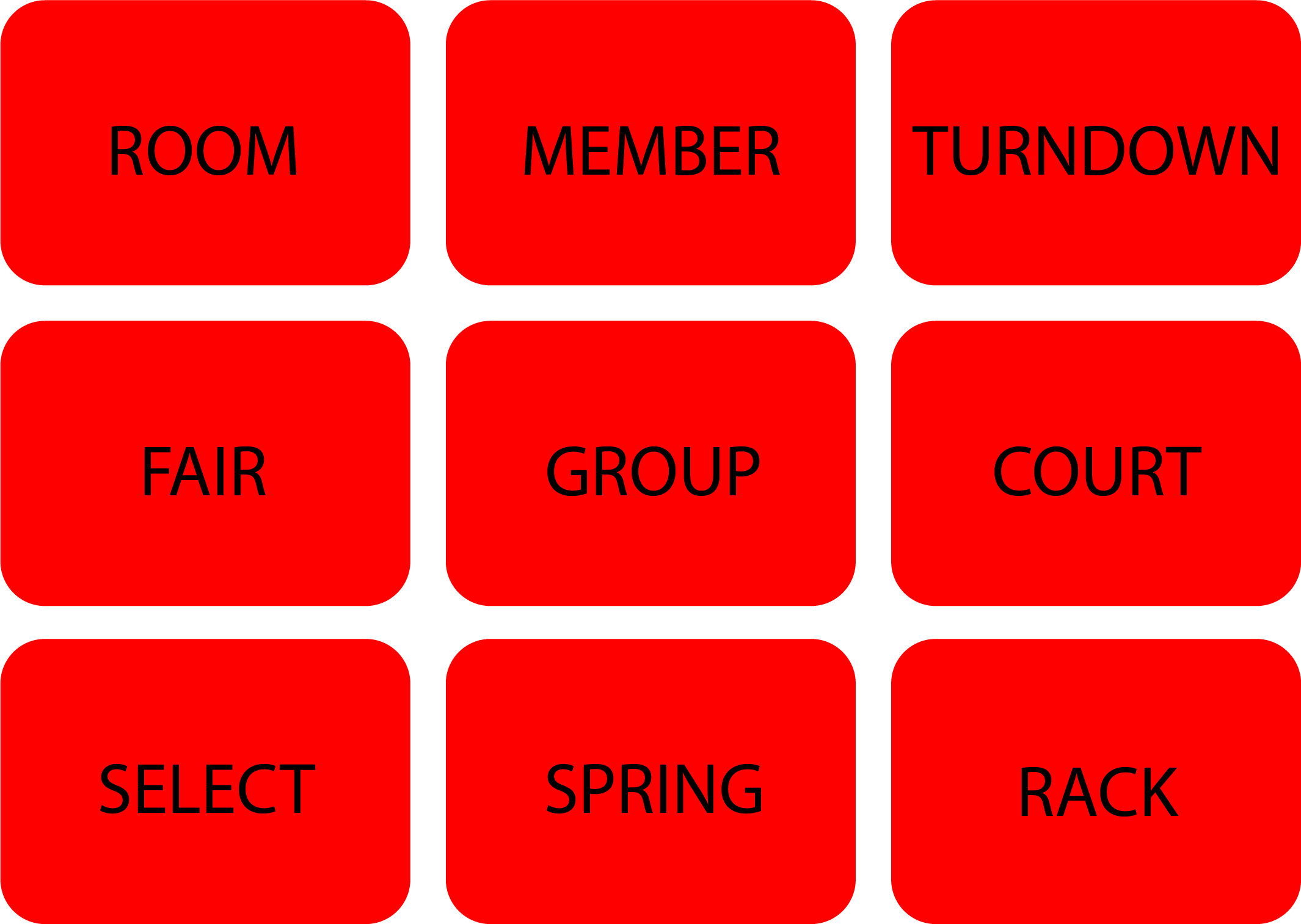
Common Elements Puzzle Please send your answers to [email protected] by Friday, January 30, 2026. Congratulations to the winners of last's edition’s puzzle! The answers were: RESORT, DESTINATION, PARKING – FEES; DELTA, AC, COURTYARD – MARRIOTT BRANDS; AMERICAN, CONTINENTAL, BUFFET –BREAKFAST |